
A Journey Through Women’s history

International Women’s Day is celebrated every year on March 8th to honor women’s achievements, plead for gender equality, and a reflection on the struggles women have faced throughout history since the begging of times.
Although I would like to focus on the positive side of history, and honor the accomplishments of remarkable women from ancient civilizations and modern times. It is also important to acknowledge patriarchy and its implications in women’s rights.
I’m merging my curiosity for history, with my passion for women’s rights to understand the meaning of International Women’s Day, revise the evolution of women’s roles in various civilizations, and reflect on the impact of religion on women’s rights.
Why is International Women’s Day celebrated?
International women’s day commemorates the social, economic, cultural, and political achievements of women worldwide. It serves as a reminder of the ongoing fight for gender equality and women’s rights. The day also provides an opportunity to reflect on the progress made and the work that still needs to be done to achieve true gender parity. But how did it all started?
When is International women’s day Celebrated?
Women’s International day is celebrated every year on March 8th. In 1977, the United Nations officially recognized March 8th as International Women’s Day to celebrate women’s achievements and advocate for gender equality.
This day was chosen to commemorate a series of events related to women’s rights, labor movements and strikes including:
A strike of garment workers in New York City, on March 8th, 1908. to demand better working conditions, shorter hours, and suffrage.
A strike for “Bread and Peace” in Petrograd, on March 8th, 1917, that eventually led to the establishment of women’s suffrage in Russia.
Patriarchal structures across human civilizations
In ancient civilizations women’s roles varied significantly depending on cultural, social, and economic factors. In some societies women had rights and privileges, while in others there were patriarchal structures.
In Mesopotamia, women held some degree of authority and could own property. But, they were still subject to the authority of men in matters of marriage and inheritance. One of my favorite characters from Sumerian mythology is Ishtar or Inanna. There is a great story about her journey to the underworld, where she confronts challenges and undergoes transformations (I will leave that tale for another time)…

The Queen of Heaven and Earth. Ishtar is the goddess of love, fertility, war, and justice. She challenged the status quo with a blend of feminine and masculine perceived qualities such as strength, power, and authority.
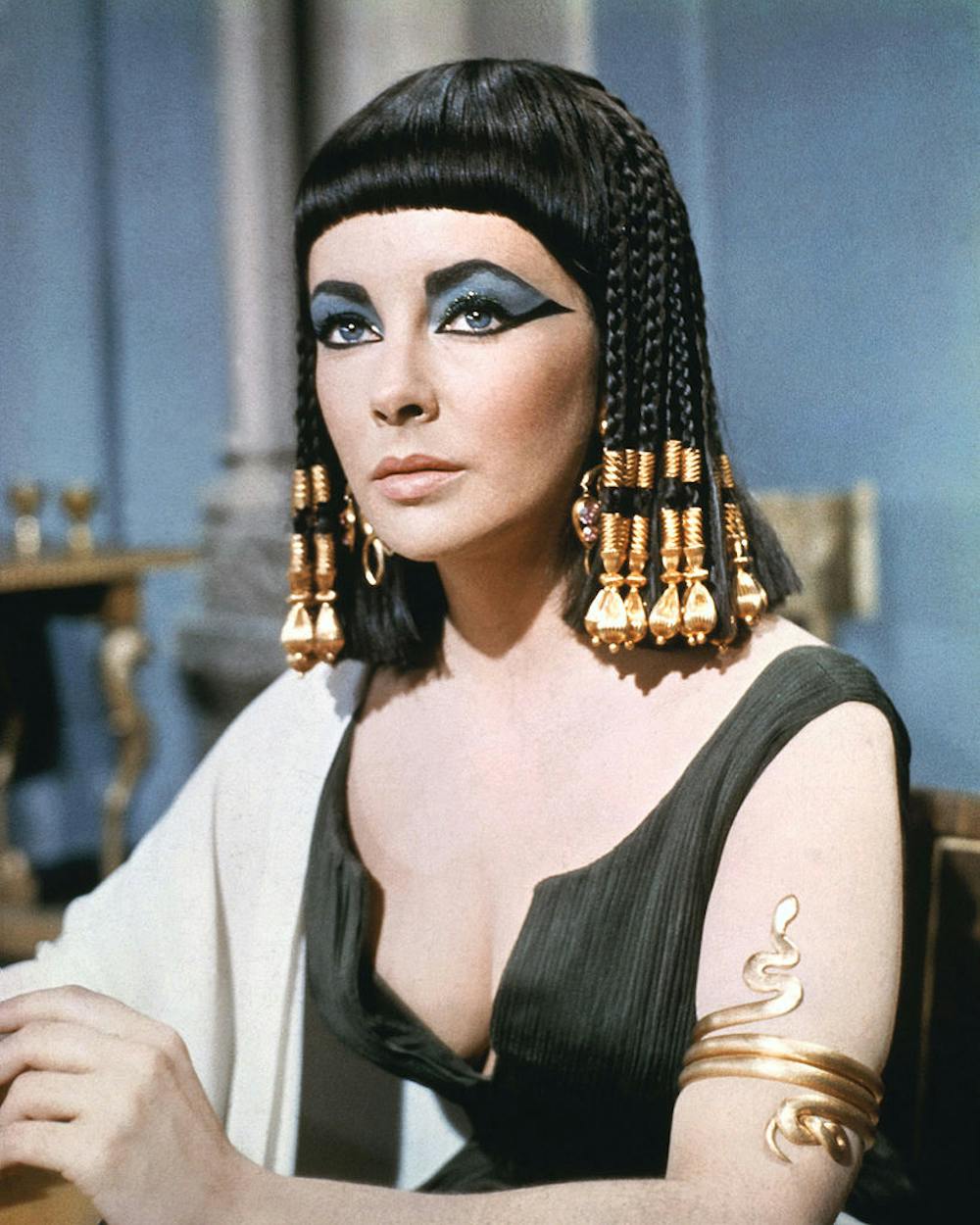
Women in Ancient Egypt enjoyed more rights and freedoms compared to other ancient societies. Cleopatra, the female pharaoh, shaped the course of ancient history with her strategic alliances with Roman leaders.💥
In ancient Greece, women were reduced to a domestic life with few opportunities for education or participation in public life. However, notable exceptions like Sappho, the poet; And Athena, one of the most iconic and powerful figures in Greek mythology challenged these norms.
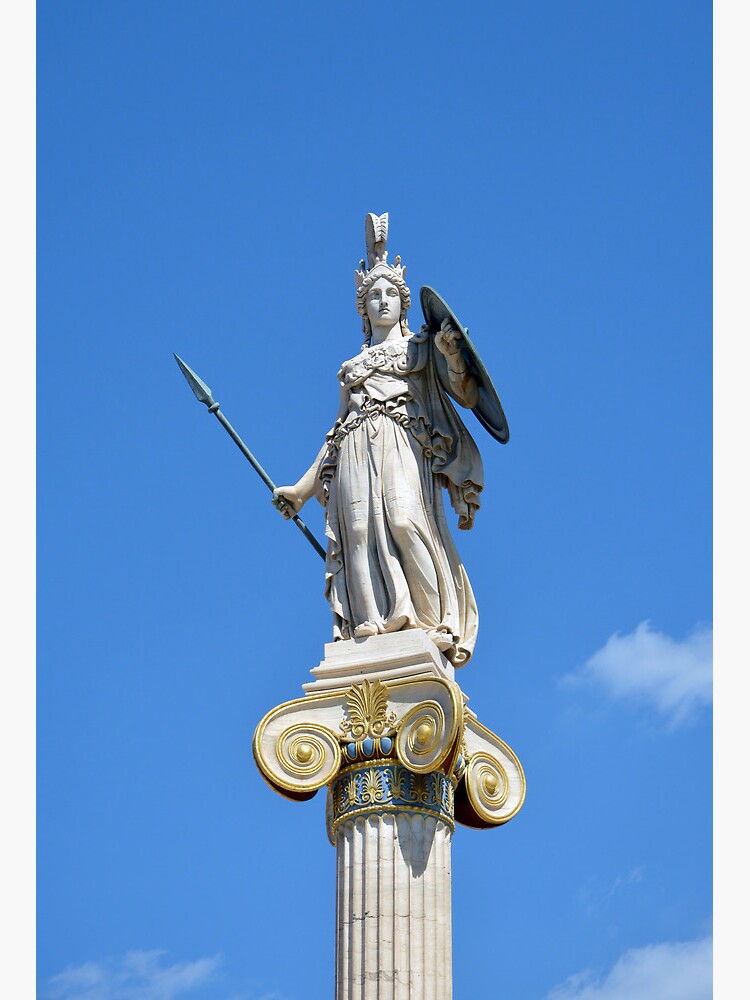
Athena is revered for her wisdom, courage, and strategic prowess. She is often depicted as a fierce warrior and protector of Athens. She emerged fully grown and armored from the head of her father, Zeus.
“Someone, I tell you in another time will remember us” – Sappho
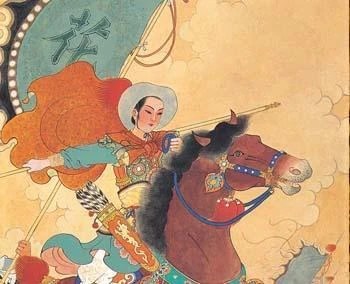
Chinese society was deeply influenced by Confucian principles, which emphasized gender hierarchy and the subordination of women to men. Despite this, some women, such as the legendary warrior Mulan, defied traditional gender roles.
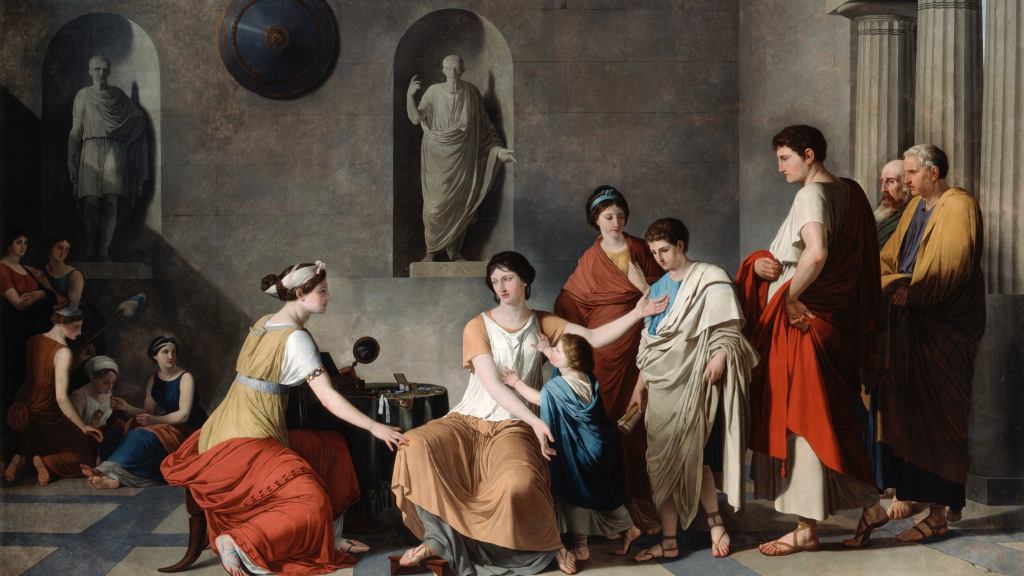
In ancient Rome, women’s legal rights were limited, and prominent women influenced behind the scenes through their relationships with powerful men.
Patriarchal structures and Religion
The rise of major religions such as Judaism, Christianity, and Islam played a significant role in shaping gender roles and reinforcing patriarchal structures, strict gender segregation, and limitations on women’s participation in public life in some cases. Religious texts and teachings often portrayed women as subordinate to men, with specific roles and responsibilities prescribed for each gender.
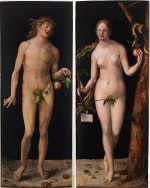
In Christianity, the story of Adam and Eve was interpreted to justify the subordination of women to men, they even blamed Eve for the fall of humanity. 🤦♀️
During the Middle Ages, the influence of Christianity and Islam led to the codification of patriarchal norms and restrictions on women’s autonomy. Women were expected to be obedient wives and mothers, with limited opportunities for education or public life.
The feminist movement
The feminist movement advocates for gender equality, women’s rights, and the dismantling of patriarchal systems that oppress and marginalize women. Throughout its history, the feminist movement has positively influenced women’s lives, by challenging harmful stereotypes, gender biases and promoting more inclusive and equitable representations of women in society.
1920s…
Feminism focused primarily on securing women’s suffrage, legal rights, and access to education and employment. Leading to the passage of the 19th Amendment in 1920, granting women the right to vote in the United States.
1960s…
Feminist pushed for reproductive rights, workplace discrimination, and sexual liberation. Leading to the passage of Roe v. Wade Supreme Court decision to legalize abortion in the United States.
Today
Feminist activism has expanded to LGBTQ+ rights, racial justice, environmental justice, etc…
Women that left a mark in the modern world
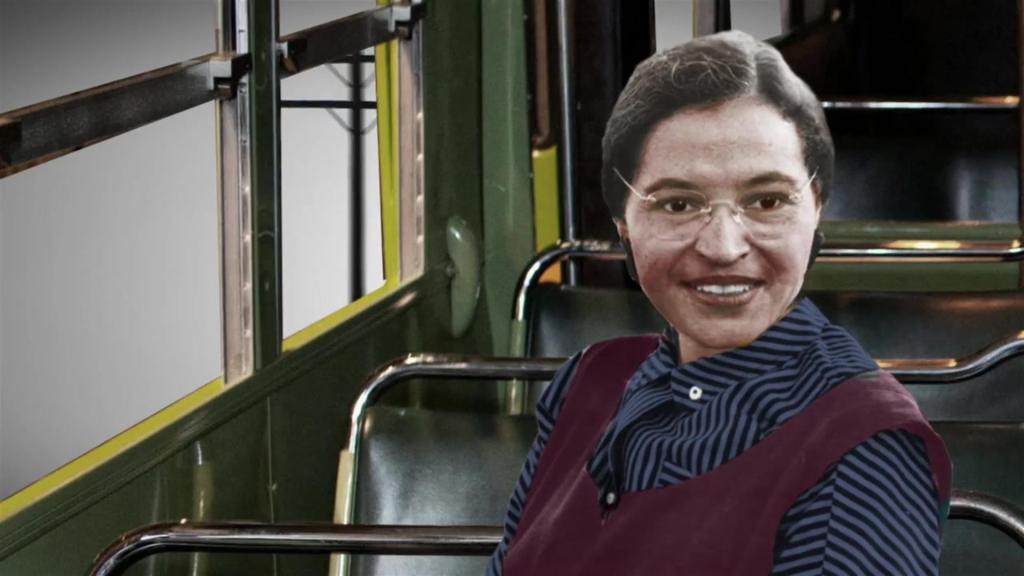
Rosa Parks sparked became a symbol of the civil rights movement, By refusing to give up her seat on a segregated bus,
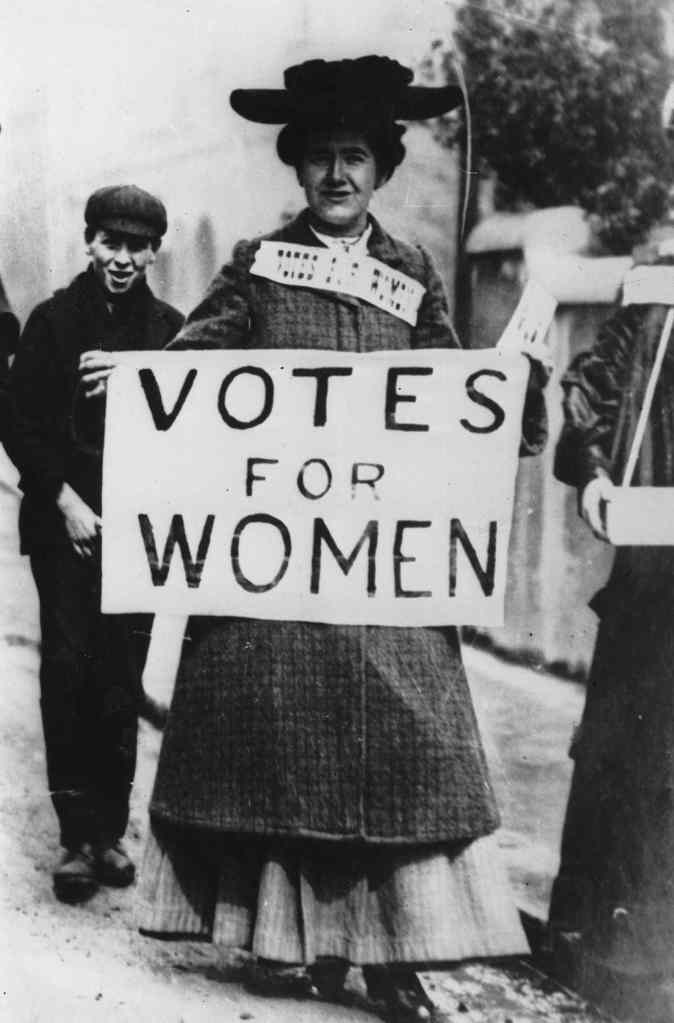
Emmeline PankhurstLed the campaign for women’s suffrage in the United Kingdom, playing a key role in securing the right to vote for women.

Joan of Arc played a pivotal role in the Hundred Years’ War, inspiring the French army to victory and helping secure the coronation of King Charles VII.
50 years of Influential women
The following women, among many others, have made significant contributions to their respective field during the past 50 years, paving the way for greater gender equality and opportunities for other women, inspiring individuals of all ages and backgrounds to pursue their dreams and strive for excellence.
Women in sports 🎾
- Billie Jean King: A tennis legend and advocate for gender equality, Billie Jean King won 39 Grand Slam titles and helped establish the Women’s Tennis Association (WTA). She famously defeated Bobby Riggs in the “Battle of the Sexes” match in 1973, highlighting the skill and athleticism of women athletes.
- Serena Williams: Widely regarded as one of the greatest tennis players of all time, Serena Williams has won 23 Grand Slam singles titles, the most by any player in the Open Era. She has also been a vocal advocate for women’s rights and racial equality in sports.
- Simone Biles: Widely considered the greatest gymnast of all time, Simone Biles has won a record number of World Championship and Olympic medals, showcasing her unparalleled athleticism and skill. She has also been a vocal advocate for mental health awareness in sports.
Women in space 🚀
- Sally Ride: The first American woman in space, Sally Ride flew aboard the Space Shuttle Challenger in 1983. She broke barriers and inspired future generations of women to pursue careers in science and space exploration.
- Mae Jemison: The first African American woman in space, Mae Jemison flew aboard the Space Shuttle Endeavour in 1992. After leaving NASA, she continued to advocate for science education and diversity in STEM fields.
- Ellen Ochoa: The first Hispanic woman in space, Ellen Ochoa flew aboard the Space Shuttle Discovery in 1993. She later served as director of NASA’s Johnson Space Center, making her the first Hispanic director of a NASA center.
Women in literature📖
- J.K. Rowling: Best known for creating the beloved “Harry Potter” series, J.K. Rowling has captured the imaginations of readers worldwide with her magical storytelling and richly imagined world. Beyond her fiction, Rowling has also been an outspoken advocate for social justice and LGBTQ+ rights.
- Alice Walker: An influential American writer, Alice Walker is best known for her novel “The Color Purple,” which won the Pulitzer Prize for Fiction and has been adapted into an acclaimed film and Broadway musical. Walker’s work often explores themes of race, gender, and spirituality.
Women in music 🎶
- Aretha Franklin: Known as the “Queen of Soul,” Aretha Franklin’s powerful voice and soulful delivery made her one of the most iconic singers of all time. With hits like “Respect,” “Think,” and “Natural Woman,” she became a symbol of female empowerment and resilience.
- Madonna: A pop icon and trailblazer, Madonna has pushed boundaries and redefined the music industry with her provocative performances and genre-defying music. With hits like “Like a Virgin,” “Material Girl,” and “Vogue,” she has become one of the best-selling artists of all time.
- Beyoncé: Often referred to as “Queen Bey,” Beyoncé has become one of the most influential artists of her generation, known for her powerhouse vocals, electrifying performances, and socially conscious lyrics. With hits like “Single Ladies,” “Formation,” and “Crazy in Love,” she has earned multiple Grammy Awards and widespread acclaim.
- Dolly Parton: A country music legend and cultural icon, Dolly Parton’s songwriting prowess and magnetic personality have made her a beloved figure in the music industry. With hits like “Jolene,” “9 to 5,” and “I Will Always Love You,” she has transcended genres and inspired generations of artists.
- Taylor Swift: is undoubtedly one of the most influential women in music of the past 15 years. With her prolific songwriting, captivating performances, and immense popularity, Swift has made a lasting impact as a singer-songwriter and businesswoman, inspiring fans with her talent, creativity, and resilience.
As we commemorate International Women’s Day, let’s be mindful of our choices to honor the resilience, courage, and contributions of women everywhere. Who would you like to recognize today? Type your answer in the comments 👇


Leave a Reply