
A Guide to healthy Living.
Table of contents
- How and why to eat naturally for healthy living
- Natural Beauty Care for healthy living
- What are the basic habits for healthy living
Living a natural lifestyle is a journey that starts by being in harmony with your natural self. Your “natural self” is the essence of who you are, no filters, no masks. When you are stripped of societal expectations, external pressures, and only focus on what you truly want. It’s the best version of yourself, because it is the most authentic, and it is also aligned with your true values, passions, and instincts.
Embracing a natural lifestyle means ditching the artificial, and reconnecting with the rhythms of nature that surround you. From the food you eat, to the products you use, and your sleeping habits, every aspect of your life can benefit from a natural lifestyle; Here is a list of recommendations, that have helped me to live in harmony with my natural self, transforming my journey into a happier and healthier experience. I hope the following tips can help you to live a healthier, natural lifestyle.
How to eat naturally for healthy living
You are what you eat. Fueling your body with natural foods instead of processed foods is crucial for maintaining optimal health. What you put into your body matters and nothing beats the goodness of natural, whole foods. A natural diet for a healthy lifestyle includes: fruits, vegetables, whole grains, lean proteins, and healthy fats.
I grew up in a latin household with a Mediterranean based diet, I understood from the beginning what a balanced diet should be and I enjoyed it. In fact here is the closest version of what my nutrition teacher back in the 90´s said a good plate should look like. And just like the Harvard recommendation below, I had a printed copy on my refrigerator until it registered in my head.
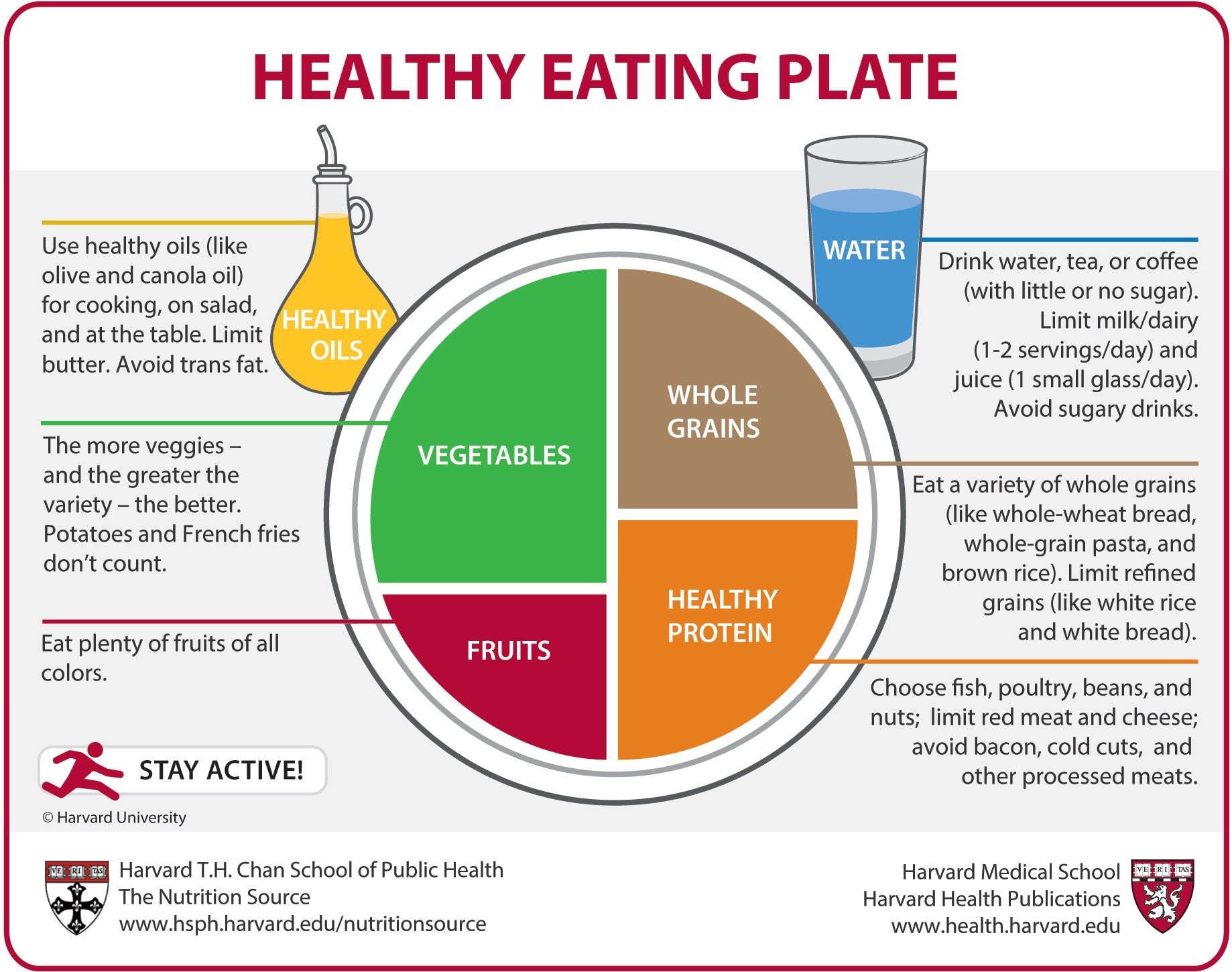
Think healthy protein, crisp vegetables, hearty whole grains, legumes and juicy fruits harvested from the earth. These foods are not only tasty, colorful and delicious but also packed with nutrients, vitamins, and minerals that nourish your body from the inside out.
Now, contrast that with synthetic, processed foods loaded with artificial ingredients, trans fat, refined grains and preservatives. Sure, they might be convenient today, but at what cost in your future health?
But eating healthy gets more challenging as we get older, when I moved to the U.S, I kind of derailed from eating 100% natural foods and incorporated American foods on my diet. I will say 20% of my diet became fast food back in my college days. But I was always hungry, my energy levels dropped, I was inflamed, and I was getting skin breakouts like never before. I did not make a connection back then as, I was busy with my studies…
But everything changed when I started suffering from terrible migraines, and my food sensitivity test revealed a lot of truths about my diet. It was a wake up call, the moment I stopped consuming processed foods, i started feeling better. It was a life changing decision, I went back to being my old healthy self in matter of weeks, like magic.
The point is that most processed foods lack the essential nutrients your body needs to thrive and can contribute to multiple health issues, including:
- Nutrient Deficiencies:
Synthetic processed foods are often stripped of essential nutrients during the manufacturing process. They’re loaded with refined sugars, unhealthy fats, and artificial additives, but lacking in the vitamins, minerals, and fiber our bodies need to thrive. As a result, frequent consumption of these foods can lead to nutrient deficiencies, leaving us feeling sluggish, fatigued, and overall less healthy.
Weight Gain: Many synthetic processed foods are high in calories and low in nutritional value, making them a recipe for weight gain. They’re often packed with added sugars, refined carbohydrates, and unhealthy fats, which can contribute to excess calorie intake and lead to obesity over time. Additionally, these foods tend to be less filling and satisfying than whole, natural foods, leading to overeating and further weight gain.
- Digestive Issues:
Synthetic processed foods can wreak havoc on our digestive systems. They’re often loaded with artificial ingredients, preservatives, and additives that can irritate the gut lining and disrupt digestive function. This can lead to symptoms like bloating, gas, constipation, and migraines, making it uncomfortable to digest these foods and leaving us feeling unwell.
- Increased Risk of Chronic Diseases:
Regular consumption of synthetic processed foods has been linked to an increased risk of chronic diseases like heart disease, diabetes, and cancer. These foods are often high in unhealthy fats, refined sugars, and sodium, which can contribute to inflammation, insulin resistance, and other metabolic disturbances that increase the risk of developing these serious health conditions.
- Negative Impact on Mental Health:
Believe it or not, what we eat can also impact our mental health. Synthetic processed foods have been linked to mood swings, anxiety, and depression due to their effects on blood sugar levels, neurotransmitter function, and overall brain health. Additionally, the artificial additives and preservatives found in these foods may have neurotoxic effects, further exacerbating mental health issues.
By prioritizing whole, natural foods and minimizing our intake of processed foods, we can support our bodies, minds, and overall health in the long run. Load up your plate with colorful fruits and veggies, lean proteins, and whole grains. Not only will your taste buds thank you, but your body will too, you will prevent inflammation, glow with natural beauty and feel that a natural lifestyle is worth it.
Why to use Natural Beauty Care for healthy living

You don’t need a cabinet full of chemicals to look and feel your best. In fact when it comes to beauty care, simplicity is key. Swap out those harsh, synthetic products for natural alternatives that nourish your skin and hair without all the added junk.
For your skincare routine, consider using gentle, plant-based cleansers, moisturizers, essential oils and serums. Ingredients like rose hip oil, aloe vera, geranium, castor and jojoba oil can work wonders for your skin, leaving it soft, supple, and radiant.
Using synthetic beauty care products may seem harmless at first glance, but the truth is, they can pose serious risks to your skin and overall health in the long run, doing more harm than good. Here is a list of potential dangers of synthetic beauty products:
- Skin Irritation and Sensitivity: Synthetic beauty care products are often laden with harsh chemicals, fragrances, and preservatives that can irritate the skin and cause sensitivity reactions. Ingredients like sodium lauryl sulfate (SLS), parabens, and artificial fragrances have been linked to skin irritation, redness, and allergic reactions. Over time, repeated exposure to these chemicals can weaken the skin’s natural barrier function, making it more susceptible to irritation and sensitivity. I used to think that my skin was sensitive but in fact, it wasn’t. My dermatologist confirmed, I was slowly damaging its natural barrier by using harsh products.
- Accelerated Aging: Believe it or not, some synthetic beauty care ingredients can actually speed up the aging process rather than slow it down. Ingredients that we can not pronounce are usually not good, for example phthalates. In addition, synthetic fragrances, and alcohol can strip the skin of its natural oils, leading to dryness, fine lines, and wrinkles. Additionally, exposure to environmental toxins and pollutants found in some beauty care products can contribute to oxidative stress and premature aging of the skin.
- Hormonal Disruption: Many synthetic beauty care ingredients, such as parabens, phthalates, and synthetic hormones, are known endocrine disruptors. These chemicals can interfere with the body’s hormonal balance, potentially leading to reproductive issues, thyroid dysfunction, and other hormonal imbalances. Research has also suggested a possible link between exposure to certain beauty care chemicals and an increased risk of hormone-related cancers. I recommend to always read the labels and fine print, be an informed consumer, take care of your skin, your skin is the largest organ in your body.
- Toxic Buildup: what you put on your skin can be absorbed into the bloodstream and accumulate over time. Synthetic beauty care products often contain toxic chemicals like formaldehyde, lead, and mercury, which can build up in the body and have harmful effects on our health. For example, lead, a common contaminant found in lipsticks and other cosmetics, has been associated with neurological damage, reproductive issues, and other serious health problems.
- Sustainability implications: The use of synthetic beauty care products also has significant environmental impact. Many of the chemicals found in these products are not biodegradable and can persist in the environment, contaminating water sources, harming aquatic life, and contributing to air pollution.
So, what can you do to protect your skin and health from the risks of synthetic beauty care? Opt for natural, organic beauty care products whenever possible.
When it comes to makeup, look for brands that prioritize natural, non-toxic ingredients. It was not an easy task in the past, but today, there are plenty of natural lifestyle beauty brands that carry anything from mineral foundations to plant-based lipsticks to enhance your natural beauty without compromising your health and wellness.
And don’t forget to treat your locks to the goodness of natural oils and botanical extracts. Whether you’re battling frizz or nourishing dry ends, products made with ingredients like argan oil, shea butter, and peppermint oil can help you achieve luscious, healthy hair, naturally.
What are the basic habits for healthy living

In addition, everyday habits can make or break your health. Anything from the use of alcohol, cigarettes, to your personal hygiene and medical visits could play a role in your overall well-being.
1. Drinking
While the occasional glass of wine or cocktail can be enjoyable, it’s important to drink in moderation and to choose smart drinks. Excessive alcohol consumption can wreak havoc on your liver, disrupt your sleep, and contribute to a host of health issues.
But going out for drinks is also fun and part of being alive, you can still have a great time by being mindful of your caloric intake and sticking to drink that might even provide enjoy some positive health benefits when consumed in moderation. Here is the smart drink list:
- Wine: Wine, particularly red wine, is a popular choice for those looking to enjoy alcoholic beverages with potential health benefits. Red wine is rich in antioxidants, such as resveratrol, which has been linked to heart health and longevity. Opting for a dry red wine with lower sugar content can help keep your calorie intake in check, with an average of around 120 calories per 5-ounce serving.
- Light Beer: If you’re a beer lover, choosing light or low-calorie beers can help you cut down on calories without sacrificing flavor. Light beers typically have fewer calories and lower alcohol content compared to their regular counterparts. Look for options labeled as “light” or “low-calorie,” which can contain around 90-100 calories per 12-ounce serving.
- Spirits with Soda Water: Spirits like vodka, gin, and tequila are lower in calories compared to other alcoholic beverages when consumed neat or with calorie-free mixers like soda water, natural lime juice or sparkling water. These drinks are typically low in sugar and carbs, making them a smart choice for those watching their calorie intake. Avoid sugary mixers like fruit juice or synthetic sour mixers, and regular soda, which can significantly increase the calorie content of your drink.
- Whiskey: often referred to as the “water of life,” is a timeless spirit with a rich history and a complex flavor profile. While whiskey is not typically known for its low calorie count, it can still be enjoyed responsibly as part of a natural lifestyle. The antioxidants found in whiskey may help to prevent strokes, reduce the risk of heart disease, reduce cognitive decline, and stress. In addition, whiskey can help to ease digestion.
Remember, moderation is key when it comes to alcohol consumption, regardless of the type of drink you choose. Limiting yourself to one or two servings per day for women and up to two servings per day for men can help you reap the potential health benefits of alcohol while minimizing the risks associated with excessive consumption. And always be sure to drink plenty of water and eat a balanced meal when enjoying alcoholic beverages to help mitigate their effects on your body. Cheers to smart drink choices and a natural lifestyle!
2. Smoking
Smoking including vaping is one of the worse things you can do for your health. Not only does smoking increase your risk of cancer and heart disease, but it can also prematurely age your skin, leaving you looking tired and worn out. Remember your skin is the largest organ in your body, treat it with respect.
3. Sleeping
One of the most important factors in maintaining your health and well-being is your sleep higiene, or lack thereof, sleeping can impact everything from your mood and energy levels to your immune function and weight, as it allows the body to rest, repair, and recharge.
But why does sleep matter so much, you ask? Well, for starters, it’s during sleep that your body repairs and rejuvenates itself, allowing you to wake up feeling refreshed and ready to tackle the day ahead. Plus, sleep plays a crucial role in regulating your circadian rhythms, the internal clock that governs your sleep-wake cycle, hormone production, and other essential bodily functions.
So how do you ensure you’re getting the restorative sleep your body needs? It all comes down to prioritizing sleep and establishing healthy sleep habits. This means sticking to a consistent sleep schedule, creating a relaxing bedtime routine, and optimizing your sleep environment for comfort and tranquility.
4. Annual check ups
Taking proactive measures to prevent illness and disease through regular health screenings, and healthy lifestyle choices is key to maintain optimal physical health and improve your chances of living longer.
Visiting the right doctors at different stages of life is essential for maintaining good health and preventing potential health issues. Here’s a general guide to the types of doctors you should consider visiting annually in your 20s, 30s, and 40s:
20s
- Primary Care Physician (PCP): Establishing a relationship with a primary care physician is crucial in your 20s. Your PCP can provide routine check-ups, screenings, and vaccinations, as well as address any acute or chronic health concerns that may arise.
- Gynecologist: For individuals assigned female at birth, regular visits to a gynecologist are essential for reproductive health. Annual pelvic exams, Pap smears, and discussions about contraception, sexual health, and reproductive planning are important during this stage of life.
- Dermatologist: Skin health is vital in your 20s, especially since this is the time when many people may experience acne or start to notice changes in their skin. A dermatologist can provide routine skin exams, address concerns about acne or other skin conditions, and provide recommendations for sun protection and skincare.
30s
- Primary Care Physician (PCP): Continue seeing your primary care physician for routine check-ups, screenings, and management of any ongoing health conditions. Your 30s are a critical time to monitor cholesterol levels, blood pressure, and weight, as well as to discuss lifestyle factors that can impact long-term health.
- Gynecologist: For individuals assigned female at birth, continue regular visits to a gynecologist for pelvic exams, Pap smears, and discussions about reproductive health. In your 30s, you may also discuss fertility, family planning, and screening for sexually transmitted infections.
- Dermatologist: Skin health remains important in your 30s, as you may start to notice signs of aging or changes in your skin. Regular skin exams, screenings for skin cancer, and discussions about skincare routines and sun protection are essential.
40s
- Primary Care Physician (PCP): Regular visits to your primary care physician become even more critical in your 40s, as you may need to monitor for age-related health issues such as high blood pressure, diabetes, and cholesterol. Your PCP can also provide screenings for conditions like colorectal cancer, osteoporosis, and vision and hearing changes.
- Gynecologist/ Urologist: For individuals assigned female at birth, continue regular visits to a gynecologist for reproductive health screenings and discussions about menopause, hormone replacement therapy, and pelvic floor health. For individuals assigned male at birth, consider visiting a urologist for prostate health screenings and discussions about sexual health and reproductive concerns.
- Dermatologist: Skin health remains important in your 40s, as you may continue to experience changes in your skin and an increased risk of skin cancer. Regular skin exams, screenings for skin cancer, and discussions about skincare routines and sun protection are essential.
In addition to these specialists, it’s essential to listen to your body and seek medical attention if you experience any concerning symptoms or changes in your health at any age. Your healthcare team can provide personalized guidance and recommendations based on your individual health needs and concerns. For instance, I have an ENT, and allergists visit as part of my annual health screening protocol.
5. Hygiene
Practicing good hygiene habits, such as regular bathing, hand washing, dental care, and personal grooming, helps to prevent the spread of infectious diseases.
Dental Care
Maintaining good oral hygiene practices at home, such as brushing twice a day, flossing daily, and using mouthwash, can help you to stay healthy. In addition, regular dental check-ups and cleanings are essential for maintaining optimal oral health and preventing dental problems. Here’s a general guideline for the frequency of dental visits for most individuals:
- Annual Dental Check-ups: you should visit your dentist for a comprehensive dental examination and check-up once a year, for a comprehensive examination of your teeth, gums, and mouth for signs of decay, gum disease, oral cancer, and other dental problems. They usually take X-rays and provide personalized recommendations for maintaining good oral health.
- Dental Cleaning Visits: In addition to annual check-ups, you should also schedule regular dental cleanings, at least every six months. Dental cleanings are performed by a dental hygienist and involve the removal of plaque, and stains from the surfaces of your teeth. Dental cleanings help to keep your teeth and gums clean and healthy and reduce the risk of dental problems. However, the frequency of dental visits may vary, discuss your individual oral health needs and concerns with your dentist to determine the optimal frequency of dental visits for you.
Bathing
The frequency of bathing can vary depending on individual preferences, lifestyle, and cultural norms. Generally, most people should bathe daily to maintain personal hygiene and cleanliness. People that don’t bathe daily, risk suffering from body odor and potential skin infections.
When you bathe, it’s essential to strike a balance between the length of the bath, and the water temperature as to avoid striping the skin of its natural oils, which it might lead to dryness or irritation.
Here are some general guidelines for bathing frequency:
- Daily: most people should bathe daily to remove sweat, dirt, and bacteria from the skin, especially after physical activity or in hot and humid climates. Daily bathing can help maintain personal hygiene and leave you feeling fresh and clean.
- Spot Cleaning: spot cleaning or washing specific areas of the body, such as the face, underarms, and groin, can help maintain cleanliness and freshness. This can be especially useful for individuals who prefer not to bathe daily due to skin conditions, those who have limited access to bathing facilities.
- Considerations for Hair Washing: The frequency of hair washing can vary depending on hair type, scalp condition, and personal preference. While some people may need to wash their hair daily to control oiliness, others may find that washing every 2-3 days is sufficient. Using dry shampoo or simply rinsing with water between washes can help refresh the hair and scalp.
Ultimately, the best bathing frequency is the one that works for you and those around you. If you have specific skin or hair concerns, consult with a dermatologist for personalized guidance and recommendations.
So there you have it – a guide to living a natural lifestyle that nourishes your body, mind, and soul. From eating whole foods to using natural beauty products and prioritizing healthy habits, embracing the natural life is all about going back to basics and living in harmony with your natural self. So go ahead, take a deep breath, and let the beauty of the natural world inspire you to live your best natural lifestyle!
👉are you living with purpose? Click here To learn more read my next post on living with purpose.

 Natural, Active, Zen, Lifestyle.
Leave a comment